Small Group Team Building Activities: A Practical Guide

Discover practical team building activities perfect for small groups. From scavenger hunts to escape rooms, learn which activities work best for your team's needs, budget, and style.
Intro
Building a strong team connection is essential for small groups, as each member significantly impacts overall performance and organizational culture. Whether you're managing a startup, nonprofit, agile team, or small business department, team building activities are the perfect catalyst for enhancing communication, collaboration, and morale.
Small teams face unique challenges: every personality matters, dynamics shift quickly, and authentic connections are crucial. That's why this guide focuses specifically on team building activities tailored to groups of 3-10 people; activities that work better WITH fewer people, not despite them.
In this guide, you'll discover practical team building activities for small groups, implementation tips, and how to choose activities that fit your team's style and needs.
Why Small Group Team Building Matters
Before diving into specific activities, let's address why they matter for small teams specifically.
Small teams are different. Unlike larger organizations, every team member has outsized influence on communication patterns, decision-making speed, accountability, and workplace culture. When one person is disengaged or relationships are strained, it impacts everyone.
Team building activities for small groups work because they create opportunities for genuine interaction outside of project pressure. They help team members understand each other's communication styles, strengths, and personalities—which translates directly to smoother collaboration on actual work.
The key difference: small groups don't need elaborate corporate retreats. They need intentional, regular, low-pressure activities that build genuine connection and trust.
Top 10 Team Building Activities for Small Groups
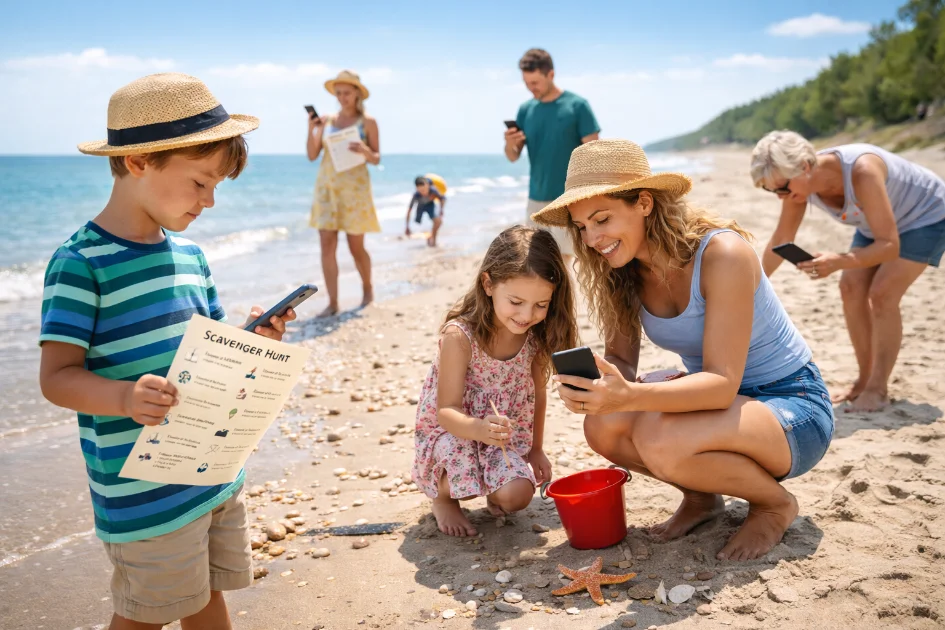
1. Interactive Scavenger Hunts – Best for Remote & Hybrid Teams
Interactive scavenger hunts are fantastic for encouraging teamwork and friendly competition, especially when powered by digital platforms.
Why it works for small groups: Scavenger hunts level the playing field. Quiet team members can contribute equally, and it requires collaboration across different skill types. Physical activity or personality type doesn't determine success; creativity and teamwork do.
How to run it:
Create 15-20 challenges (photo-based, riddle-based, or location-based)
Set a 30-45 minute time limit
Require photo evidence for verification
Award points for creativity, not just speed
Debrief afterward to discuss what worked and what didn't
Why small groups love it:
Works for both in-person and remote teams
No expensive equipment needed
Builds communication under mild pressure
Generates fun memories and inside jokes that last
For remote teams: Digital scavenger hunts are surprisingly effective since everyone participates fully and asynchronously. No one gets left out, and the activity generates natural conversation afterward.
2. Escape Rooms – Best for Problem-Solving Focus
Escape rooms force real collaboration. You can't succeed by working independently. You MUST communicate clearly and pool knowledge.
For small groups specifically: 4-6 people is the ideal escape room size. Everyone gets involved (larger groups have the problem where some people become passive observers). Each person's particular strengths matter: logical thinkers, creative problem-solvers, people who notice details.
How to maximize the experience:
Brief the group before entering: "Notice how you communicate under pressure"
Debrief after: "What communication patterns helped us? What hindered us?"
Choose a themed room relevant to your team's interests
Focus on the experience, not on "winning"
3. Mystery Dinners or Murder Mystery Games
Organize a mystery dinner event where team members receive roles and must work together to solve a fictional mystery.
Why it works: Everyone has a role and responsibility. Introverts often appreciate having a defined character and scripted participation, which takes pressure off improvisation. The game gives people a framework for interaction.
Small group advantages:
More time for character development per person
Higher interaction between each participant
Easy to customize for company culture or inside jokes
Works well in regular office spaces
Implementation:
Use pre-made mystery kits (widely available) or create your own
Assign roles 1 week in advance so people can prepare
Allow 2-3 hours for the full experience
Include a debrief where you talk about what happened and what you learned
4. Outdoor Team Adventures
Activities like hiking, rock climbing, kayaking, or nature walks allow small groups to connect organically while building camaraderie.
Why outdoor activities work:
Removes workplace hierarchy and "work brain"
Natural pacing allows for real conversations
Shared accomplishment (reaching a summit, completing a trail) builds pride
Physical challenge bonds people quickly through shared effort
Small group specifics:
Choose difficulty levels that ALL members can handle
Build in reflection time (at a scenic spot, by water, etc.)
Combine physical activity with a service element if possible (trail cleanup, etc.)
For less athletic teams: Nature walks, bird watching, outdoor photography challenges, or casual picnic games work equally well.
5. Cooking or Baking Competitions
Teams can compete individually or in pairs to prepare dishes within time or ingredient constraints.
Why it works: Cooking combines multiple skill types (planning, execution, creativity, tasting) and produces something everyone can enjoy together. The stakes are low but the collaboration is high.
Structure options:
Chopin-style: Draw 4 random ingredients, must use all, 30-45 minutes
Themed: Italian night, dessert showdown, international potluck challenge
Blind taste test: Teams guess who created each dish
Why small groups excel at this:
Everyone tastes everyone's work (high accountability)
Kitchen naturally breaks hierarchies
Works in office kitchens or rented commercial space
Creates lasting memories around food and laughter
6. Team Trivia Contests
Trivia contests create friendly competition and promote team spirit without requiring physical activity.
Customize by topics:
Company/industry knowledge
Team member facts (personal trivia about each other)
Problem-solving riddles
Anything else your team finds interesting
Make it engaging:
Mix individual rounds with team rounds
Include bonus challenges (act out an answer, draw the answer)
Keep rounds to 20-30 minutes maximum
Small groups benefit because everyone gets enough airtime to participate
7. Group Volunteering or Service Projects
Service activities: community cleanup, mentoring, food bank work, animal shelter help—unite teams around meaningful purpose beyond the company itself.
Why it works: Teams that volunteer together feel more connected to company mission AND to each other. Working toward a goal outside of work creates natural bonding.
Types that work well for small groups:
Animal shelter volunteering (walking dogs, socializing cats)
Local food bank (sorting, packing)
Park restoration (trail building, native plantings)
Mentoring programs (teaching skills to students)
Community cleanup events
The debrief matters: Ask "What qualities did we demonstrate today as a team?" to reinforce learning.
8. Board Game Tournament
An informal board game tournament encourages strategic thinking, healthy rivalry, and genuine team interaction.
Tournament structure:
Round-robin format (everyone plays everyone once)
Scoring system (points for wins, sportsmanship bonus)
Mix cooperative games and competitive games
Game recommendations for teams:
Cooperative: Ticket to Ride, Catan, Codenames, Pandemic
Competitive: Azul, 7 Wonders, Splendor
Social/Silly: Cards Against Humanity, Telestrations, Jackbox games
Small group benefit: With 4-6 people, every game feels competitive and meaningful. No one sits out.
9. Creative Workshops
Workshops in painting, pottery, jewelry-making, or other crafts encourage team bonding through shared creative expression.
Workshop types:
Painting (canvas painting or paint-by-numbers for all skill levels)
Pottery/clay workshops
Jewelry-making classes
Photography walk and critique
Improv or storytelling workshop
Why small groups love this:
More individual feedback from instructor
Conversations happen naturally while creating
Everyone produces something they can keep or display
Removes pressure to be "good at art"
At-home alternative: Send craft boxes and hold a virtual "create & show" session where everyone makes something, then presents it.
10. Storytelling or Reflection Sessions
A session focused on personal storytelling or team reflections builds deeper understanding and connection.
Format ideas:
"Two Truths, One Lie" – Share personal stories, team guesses which is false
"Values Stories"
Everyone shares a story demonstrating one core value
"Failure & Recovery"
Share professional challenges overcome and lessons learned
"Gratitude Round"
Each person shares appreciation for another team member
"Five-Year Vision"
Personal goals and how team can support them
Why it matters for small teams: Personal connection directly improves communication, patience, and conflict resolution when real work challenges come up.
Bonus Activity: Digital Scavenger Hunts for Remote Teams
If your team is fully or partially remote, digital scavenger hunts offer a solution that actually works surprisingly well for distributed teams.
How it works:
Create a custom hunt with 10-15 challenges
Team members complete from their homes or locations
Photo verification confirms completion
Real-time leaderboard keeps energy high
No app download required
Why it's perfect for small remote teams:
Everyone participates fully (no observer problem)
Asynchronous friendly (people complete on their schedule)
Creates shared experience across time zones
Generates conversation and laughter afterward
Example challenges:
Find 3 items in your home that represent team values
Recreate a famous movie scene
Interview a family member about your role on the team
photograph your "work from home" setup
Find items in alphabetical order
How to Choose the Right Activity for Your Team
Consider these questions:
What's your team's energy level?
High energy: Scavenger hunts, escape rooms, outdoor adventures, board games
Mixed energy: Cooking, trivia, volunteering, mystery dinners
Low energy/reflective: Storytelling, creative workshops, casual board games
What's your budget?
Free/low cost: Volunteering, trivia, storytelling, walks, board games you already own
Moderate (50-200): Cooking challenge, creative workshop, scavenger hunt
Higher budget (200+): Escape room, outdoor adventure, professional trivia event
What's your time commitment?
30 minutes: Trivia, storytelling, quick games
1-2 hours: Scavenger hunt, board game, escape room
2-4 hours: Cooking, outdoor adventure, volunteering, workshop
What's your team's preference?
Competitive: Escape rooms, board games, trivia, scavenger hunts
Cooperative: Volunteering, cooking, creative workshops, storytelling
Mixed: Outdoor adventures, mystery dinners
Implementation Tips for Team Building Success
Before the Activity
Check for accessibility issues: Can everyone participate given physical limitations, dietary restrictions, or budget constraints? Communicate needs in advance and accommodate creatively.
Set clear expectations: What's the goal? How long will it take? What should people wear or bring? Is attendance mandatory or optional?
Budget appropriately: Small groups often have limited budgets. Prioritize experiences over expensive venues. DIY options frequently work better than "premium" activities.
During the Activity
Create psychological safety: Frame the activity as "we're learning together," not "performing for evaluation." Normalize mistakes and imperfection.
Watch for dynamics issues: If some people dominate conversations, gently redirect. Pull in quiet members with direct questions: "What do you think about this?"
Keep things moving: If engagement is low, shorten activities and shift to something different.
After the Activity
Always debrief: Spend 10-15 minutes reflecting on what worked. Connect the experience to work values and goals. Ask "What did today teach us about collaboration?"
Build on momentum: Schedule the NEXT activity before people leave. Use activities to reinforce company values.
FAQ: Small Group Team Building Questions
Q: How often should we do team building activities?
A: Monthly at minimum, quarterly preferred for deeper impact.
Monthly 1-hour activities (like trivia or scavenger hunts) work well. Quarterly 2-3 hour activities (escape rooms, outdoor adventures) create stronger bonds. The rhythm matters more than frequency. People need time to integrate lessons before the next activity.
Q: What if someone doesn't want to participate?
A: This is real and valid.
Make attendance optional (though encourage it). Offer modified participation (watching is okay, but encourage joining). Have private conversations about barriers. Never force someone to participate in activities that feel physically intimate or personally invasive.
Forcing participation actually hurts team morale.
Q: How much should we budget for team building?
A: A reasonable range for small teams is 50-200 per person per year, or 5-20 per person per activity.
Creative, low-cost activities (volunteering, trivia, board games, at-office scavenger hunts) can be free. More elaborate activities (escape rooms, workshops, outdoor adventures) justify higher spend.
Pro tip: Combine team building with regular work events (company lunch, off-site meeting) to make budgets go further.
Q: What if team members have different interests?
A: Rotate activities throughout the year.
Over 12 months, mix physical activities (outdoor, cooking, adventure), creative activities (workshops, storytelling, games), and competitive activities (trivia, escape rooms, scavenger hunts). This ensures everyone gets activities they enjoy.
Q: Can we do team building remotely?
A: Absolutely. Remote options include:
Virtual escape rooms
Digital scavenger hunts (works surprisingly well)
Online trivia games
Cooking challenge (everyone prepares a dish, then video call to eat together)
Synchronized movie watch party + chat
Virtual board game nights
Improv or storytelling workshop over video
Digital scavenger hunts actually work BETTER for remote teams because everyone participates equally and it generates natural laughter and conversation.
Q: What if we have a very small team (2-3 people)?
A: You're in luck. Small teams are ideal for:
One-on-one experiences or rotating activities for each pair
Scavenger hunts (perfect for 2-3 people, more intimate)
Cooking together
Outdoor walks where conversation naturally flows
Skill-sharing sessions
Focus on deepening relationships rather than big group games. One meaningful conversation beats a forced event.
Conclusion: Why Small Teams Need Intentional Team Building
Small teams don't benefit from massive corporate retreats or high-pressure competitions. Instead, they thrive with intentional, regular, low-pressure activities that build genuine connection and trust.
The activities in this guide work because they:
Accommodate diverse personalities and participation styles
Build authentic connection without forced intimacy
Fit realistic budgets and time constraints
Create opportunities for natural conversation
Leave people feeling energized, not exhausted
Ready to launch your first activity?
If you want something that works great for small remote or in-person teams, Seekr Games makes it easy to create and run custom scavenger hunts. AI verifies completions, real-time scoring keeps energy high, and everyone has fun. No app download required.
Start with one activity next week. Your team will thank you.
Related Reading
How to Create an Unforgettable Family Reunion Scavenger Hunt - Similar team bonding principles
How to Create a Custom Scavenger Hunt - Perfect for small group activities
Team Building Activities Beyond Icebreakers - Deep dive into team dynamics