Workplace Safety Scavenger Hunt Ideas: 40+ Activities to Boost Employee Safety & Engagement
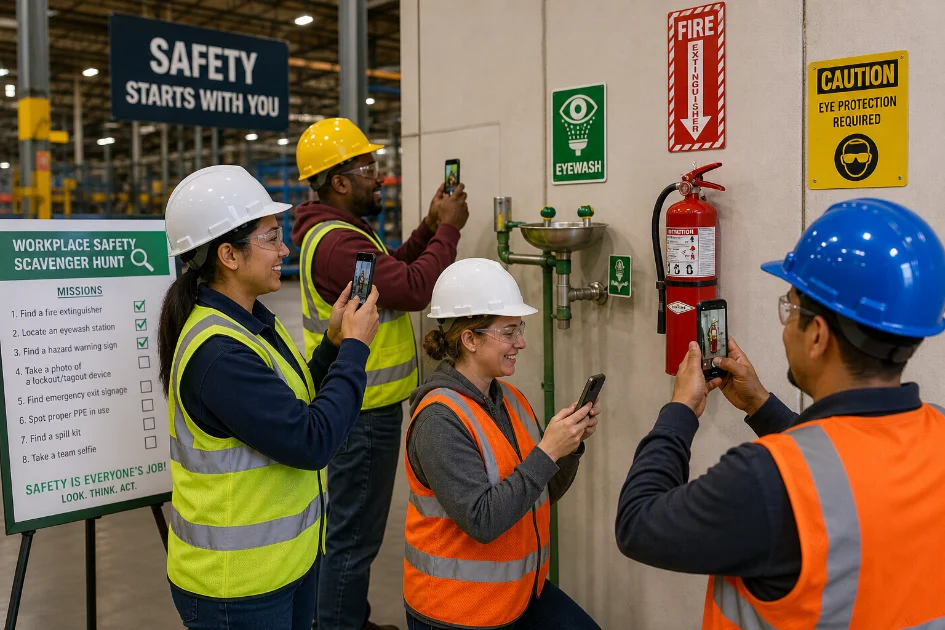
40+ workplace safety scavenger hunt ideas to boost employee engagement while improving safety compliance. Includes step-by-step guide, team challenges, OSHA considerations, and how to use Seekr Games for documentation and tracking.
Workplace Safety Scavenger Hunt Ideas: 40+ Activities to Boost Employee Safety & Engagement
Introduction
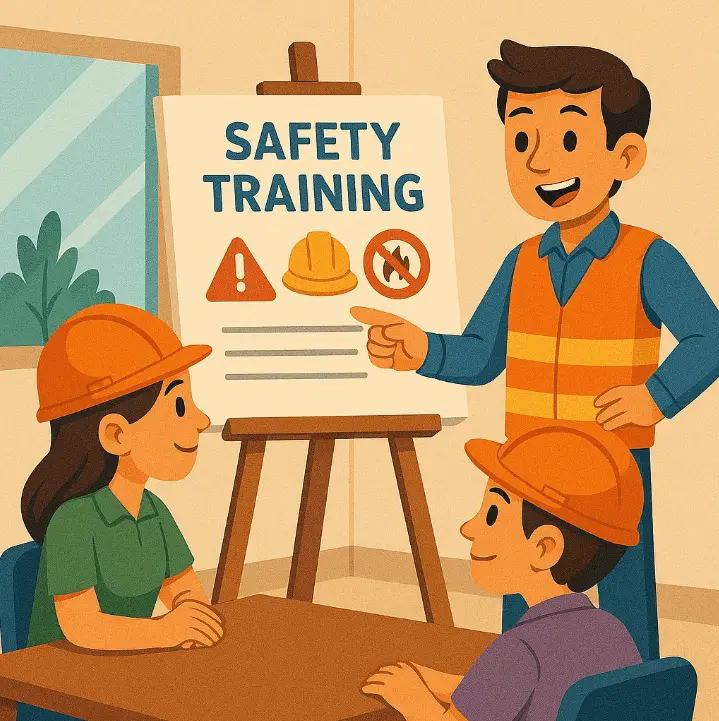
Workplace safety training doesn't have to be boring. A workplace safety scavenger hunt transforms compliance training into an engaging, fun activity that actually improves safety awareness while building team cohesion.
Whether you're managing a manufacturing facility, construction site, office building, or retail environment, safety scavenger hunts make learning interactive, memorable, and effective. Plus, you'll create photo documentation that proves compliance to auditors and regulators.
In this guide, you'll discover 40+ workplace safety scavenger hunt ideas, step-by-step instructions on running one, pro tips for success, and how to use Seekr Games to make it effortless.
What Is a Workplace Safety Scavenger Hunt?
A workplace safety scavenger hunt is a guided team activity where employees search for, identify, and document safety-related items, locations, and procedures throughout their workspace. Teams complete challenges like:
Locating emergency exits and safety equipment
Identifying hazards in specific areas
Photographing proper PPE usage
Finding and reading safety signage
Documenting emergency procedures
Identifying compliance-related items
Unlike passive training videos, safety scavenger hunts engage employees through:
Movement: Teams explore the entire workspace
Teamwork: Collaboration builds camaraderie
Discovery: Finding things themselves increases retention
Documentation: Photo evidence of knowledge and compliance
Competition: Friendly team rivalry motivates participation
The result? Employees who are more aware of safety procedures, better able to identify hazards, and more likely to maintain safe practices long-term.
Why Safety Scavenger Hunts Actually Work (Better Than Traditional Training)
Engagement Aids Compliance
Traditional safety training often feels like a checkbox exercise. Employees sit passively, zone out, and forget what they learned. A safety scavenger hunt flips this:
Employees remember what they discover vs. what they're told
Team-based learning creates accountability and retention
Movement and exploration engage multiple senses
Builds Team Culture
Safety scavenger hunts aren't just about compliance they're team-building activities that:
Break up office monotony
Help new employees learn the layout and culture
Create positive shared experiences
Reduce silos between departments
Build trust and communication
How to Run a Workplace Safety Scavenger Hunt (Step-by-Step)
Step 1: Plan Your Hunt (1-2 weeks prior)
Define Your Goals:
What safety topics need reinforcement? (exits, PPE, hazards, procedures?)
Who participates? (entire company, department-by-department, new hires?)
When will it run? (during work hours, team lunch, dedicated safety day?)
How long should it take? (30 minutes, 1 hour, half-day?)
Choose Your Focus Areas:
Emergency procedures (exits, assembly points, alarms)
Equipment and PPE locations
Hazard identification
Safety signage and procedures
First aid kits, AEDs, fire extinguishers
Spill kits, eyewash stations, safety showers
Department-specific protocols
Create Challenges:
Mix difficulty levels to keep it engaging:
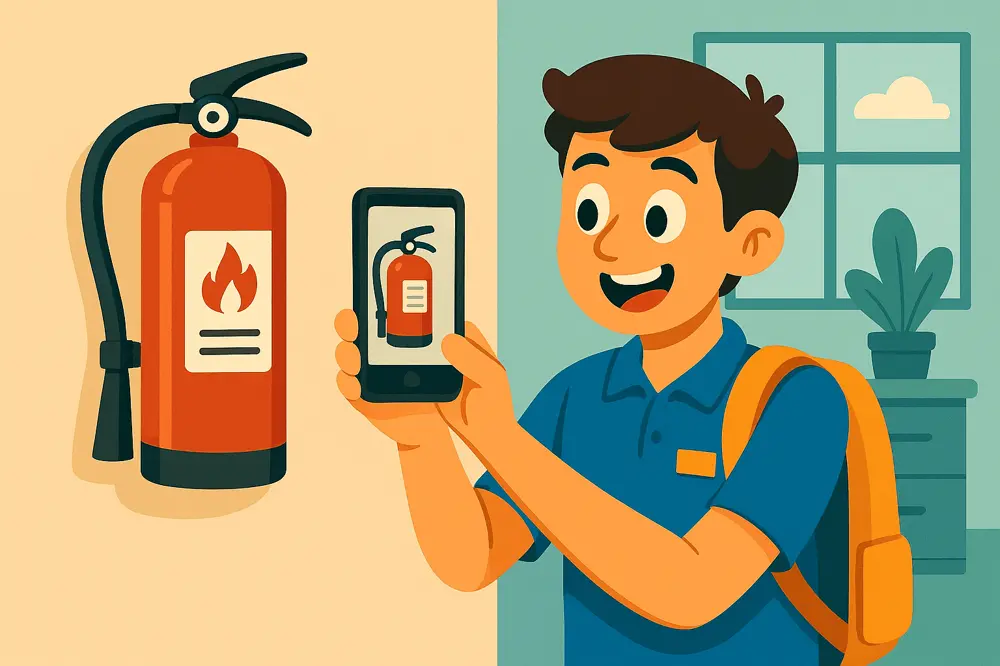
Easy: "Find the nearest fire extinguisher and photograph it"
Medium: "Locate three emergency exits and describe evacuation routes"
Hard: "Identify 5 potential hazards in the warehouse and explain safe practices"
Step 2: Divide into Teams
Organize teams strategically:
Cross-departmental teams (4-6 people per team) - builds connections
Department teams - better for competitive spirit
Mixed experience levels - veterans mentor newcomers
Assign a team leader - responsible for photo documentation
Step 3: Brief Everyone
Before the hunt starts:
Explain objectives and rules
Clarify safety boundaries (off-limits areas, what's safe to touch)
Review how to photograph items properly
Set a time limit
Explain scoring/prizes if applicable
Emphasize that safety is the real goal. Fun is just a bonus
Step 4: Document with Photos
Use Seekr Games to:
See progress in real-time
Teams submit photos directly via web app
Evidence of completion
Auto-organize all submissions
Verify team participation and progress
Why photos? Because auditors and regulators love documented proof. Plus, the act of photographing something makes employees remember it better.
Step 5: Review & Debrief
After the hunt:
Review submitted photos as a group
Discuss what teams discovered
Reinforce key safety learnings
Award small prizes (gift card, trophy, recognition)
Save photos for fun!
40+ Workplace Safety Scavenger Hunt Ideas (By Category)
Emergency Procedures (Hazard Awareness)
- Locate the nearest emergency exit to your workspace and photograph the route
- Find all emergency exit signs visible from your department and count them
- Identify the assembly point and take a team photo there
- Locate the emergency procedure poster and read it aloud to your team
- Find the nearest stairwell and document it (elevators off-limits in emergencies!)
- Photograph a "No Running" sign in a hallway
- Find and photograph the nearest emergency alarm/pull station
- Locate the evacuation map and photograph it
- Find a "Caution" or "Warning" sign and explain the hazard
- Identify three areas where running is NOT allowed and photograph them
Equipment & Safety Gear
- Locate the nearest fire extinguisher and photograph it (note the type and location)
- Find all fire extinguishers on your floor and count them
- Locate a first aid kit and photograph it
- Find an AED (automated external defibrillator) and photograph it with location details
- Find eyewash stations or safety showers and photograph them
- Locate the spill kit storage area
- Find emergency oxygen or medical equipment storage
- Photograph all posted PPE requirements signs
- Find where hard hats/safety glasses are stored
- Locate hearing protection stations and photograph them
Procedures & Signage
- Find the workplace safety policy poster and photograph it
- Locate the OSHA notice board and document what's posted
- Find a "Wet Floor" or "Caution" sign and photograph it
- Locate the nearest phone and photograph the emergency number posted
- Find posted procedures for your department and photograph them
- Locate the injury reporting procedure and document it
- Find posted hand-washing requirements and photograph them
- Locate chemical storage area signage and photograph it
- Find posted lock-out/tag-out procedures (if applicable)
- Photograph three different warning labels throughout your facility
Hazard Identification Challenges
- Identify and photograph a potential trip hazard in common areas
- Find a situation where proper PPE should be worn and photograph it
- Locate an area with electrical equipment and photograph safety signage
- Find a workstation and identify three ergonomic considerations
- Photograph an area where proper ventilation is important
- Identify a slipping hazard and photograph the area
- Find an area requiring proper footwear and photograph the signage
- Locate a noisy area and photograph hearing protection requirements
- Photograph an area where machinery guards are visible
- Find an area with proper lighting and explain why it's important
Team Knowledge Challenges
- Have your team recite from memory: nearest exit location and route
- Team quiz: What's the emergency evacuation procedure? (compete for accuracy)
- Have your team identify how to report a safety concern or near-miss
- Document your team's understanding of department-specific safety protocols
- Have your team locate and understand the workers' comp procedure
How to Use Seekr Games for Your Workplace Safety Hunt
Seekr Games transforms a scattered hunt into a organized, documented activity. You can create your own hunt from scratch, or get started with a template like this one
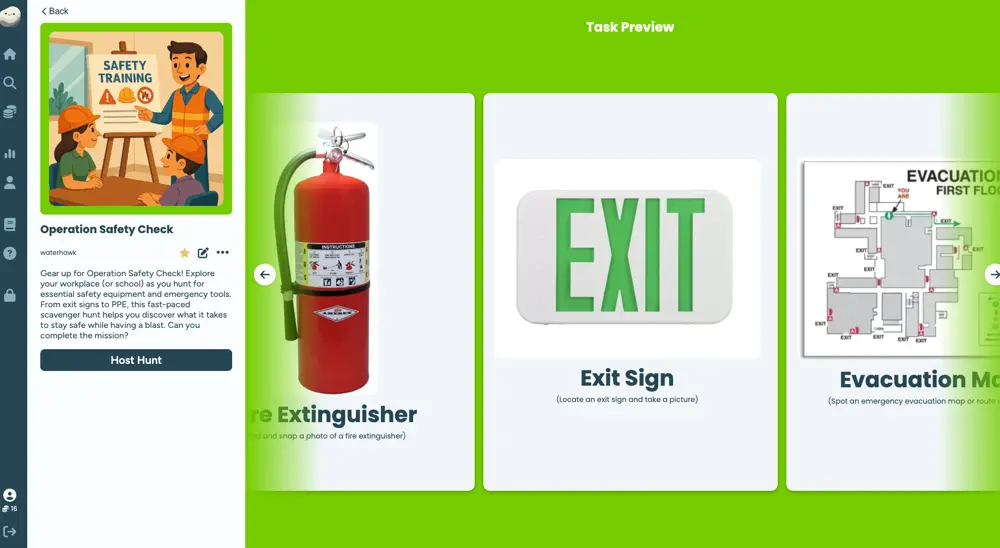
Setup (Before the Hunt)
Create task list at seekrgames.com
Create a room and have people join via QR or code
Assign teams
Set a timer and point values
Define which photo submissions count
During the Hunt
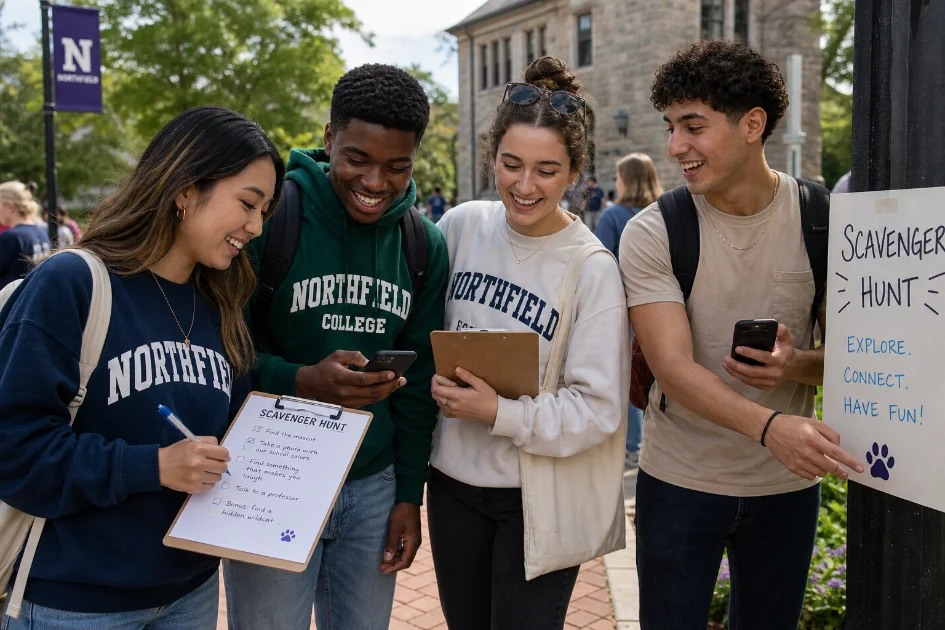
Teams get the challenge list on their phones
Photograph each item/location directly in the app
Submit photos
See real-time progress and scores
Encourage teams to move quickly and work together
After the Hunt
Review all submitted photos
Verify team completion
Document if it helps for compliance
Identify knowledge gaps to reinforce
Award prizes or recognition
Export photos and reports for your safety file
Key Benefit: Photo evidence that your team knows safety procedures and visited key locations. That's gold for auditors.
Pro Tips for Running a Successful Safety Hunt
Timing & Scheduling
Avoid busy production times: Run hunts during lower-activity periods
Friday afternoons: Ends the week on a fun note (but people might be tired)
After-hours or dedicated time: Gives teams 1-2 hours without production pressure
Quarterly or annual: Regular refreshers improve compliance retention
Make It Competitive (the Right Way)
Create friendly team rivalry with small prizes
Award for most photos, fastest time, best documentation quality
Make winning about knowledge, not recklessness (no "speed running" into unsafe areas)
Celebrate all teams. Focus on participation and learning
For New Hires
Use safety scavenger hunts as part of onboarding
Pair new employees with experienced staff
Focus on facility layout + key safety features
Turns boring orientation into engaging experience
For Specific Departments
Customize challenges for manufacturing, construction, warehouse, office, etc.
Hazard identification looks different in each environment
Department-specific PPE and procedures make it relevant
Increases buy-in from teams who see direct application
Safety First (The Real Kind)
Establish off-limits areas (maintenance rooms, secure areas, production zones during operation)
Don't encourage running or unsafe behavior
Review procedures before starting
Have a supervisor available to answer questions
Never pressure teams to access unsafe areas for photos
Repeat & Refine
Run hunts 2-4 times per year for ongoing training
Rotate teams to prevent "memorization" and spread knowledge
Update challenges as facilities change
Gather feedback from participants. Make it better each time
FAQ: Workplace Safety Scavenger Hunt Questions
Q: How long should a safety scavenger hunt take?
A: 10-30 minutes depending on facility size and complexity. A single-floor office might take 10 minutes. A large manufacturing facility could take 30-45 minutes. Start with 30 minutes and adjust based on feedback.
Q: Can we run a safety hunt in our office building without disrupting work?
A: Absolutely. Schedule it during a dedicated time block (team lunch, afternoon break, or specific "Safety Day"). If everyone participates at once, it doesn't disrupt normal operations. It becomes the operation for that hour.
Q: What if some employees can't participate (remote, on leave, etc.)?
A: Create a shorter "make-up hunt" they can do later, or have them participate in the debrief discussion. Safety knowledge should be company-wide, so find ways to include everyone. Or have them participate from home in their own way.
Q: Do we need special equipment or apps?
A: Smartphones are ideal, but not required. Teams can use cameras or even write descriptions if photos aren't possible. Seekr Games makes it super easy with automated submission and scoring, but pen-and-paper works too.
Q: How do we handle it if a team finds a real safety hazard?
A: Great question! Have a protocol: stop the hunt, notify the relevant supervisor immediately, and document it. This is actually a win. Employees found something worth fixing. This shows the hunt is working.
Q: Can we tie this to compliance or training requirements?
A: Yes. Many workplaces use safety scavenger hunts to aid in annual safety training requirements. Keep photos and submission records for audits. Consult with your safety officer or HR to ensure it meets your specific regulatory requirements.
Q: What if we have multiple buildings or locations?
A: You can run separate hunts at each location, or coordinate across locations with adapted challenges relevant to each facility. Alternatively, run a "company-wide challenge" where different locations tackle the same themes.
Q: How do we score the hunt fairly?
A: Options include: (1) Most correct photos by deadline, (2) Best photo quality/documentation, (3) Fastest time, or (4) Combination scoring (accuracy + speed + teamwork). Or just use SeekrGames. It automatically scores based on completion.
Q: Is this fun enough to feel like team-building?
A: Absolutely. The combination of movement, teamwork, and light competition makes it engaging. Many teams report it's the highlight of their month. The key is framing it as a game, not a chore.
The Bottom Line
Workplace safety scavenger hunts turn compliance training into an engaging, memorable experience that employees actually enjoy. You get better retention, documented compliance, team cohesion, and most importantly—employees who are genuinely safer at work.
Ready to run your first safety hunt? Start with Seekr Games to make photo submission and tracking effortless. Create teams, assign challenges, watch the fun unfold in real-time, and keep perfect records for your auditors.
Your employees will thank you. So will your safety metrics.